
“The Russian world”, delivered to your door
Authors
On a warm day in May, members of Dvizhenie Soyuz gathered in central Minsk. The group organises events to distribute St. George ribbons and collects humanitarian aid for Russian military personnel. During the meeting, they discussed topical issues, shared experiences, and planned for the future. The meeting took place behind closed doors at the House of Moscow in Minsk.
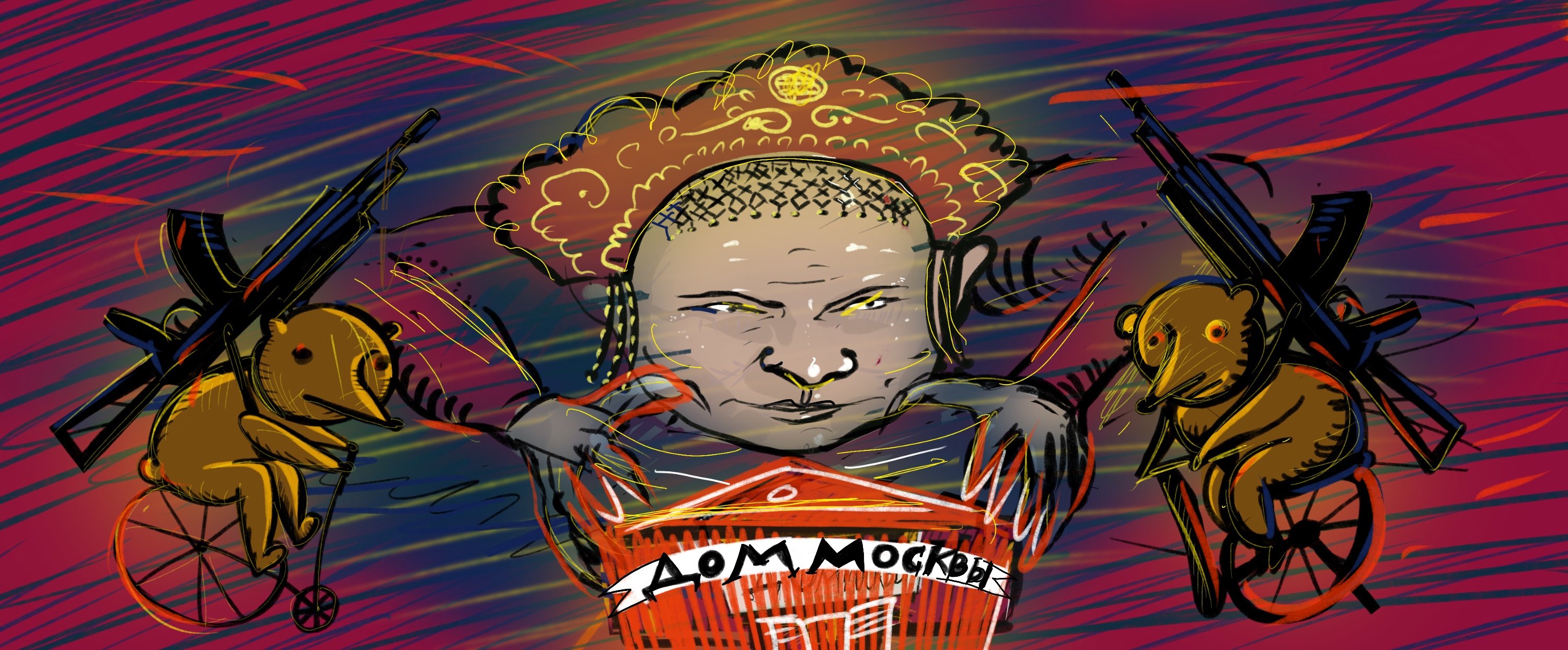
The authorities planned for the cultural and business centre to serve as a bridge between the two countries’ capitals. In reality, however, it is better known as a hotbed of the “Russian world” ideology. This ideology is regarded as aggressive, aiming to establish a new international order that would ensure Russia’s dominant position in the world. The House of Moscow in Minsk regularly hosts propaganda events, and pro-Kremlin activists, such as members of Dvizhenie Soyuz, gather there.
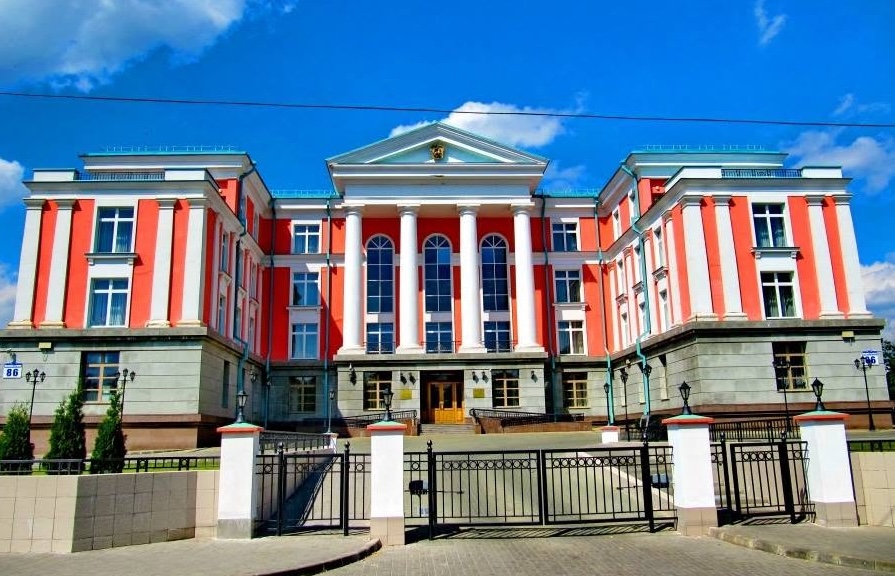
House of Moscow in Minsk. Source: facebook.com
“The House of Moscow in Minsk is an element of the Kremlin’s soft power. It is an important venue for hosting various initiatives, events, meetings, and other activities in Belarus”, said Yan Auseyushkin, a senior analyst at the international initiative iSANS, in an interview with Buro.
The Danish Broadcasting Corporation received an archive of over 270,000 letters from the Moscow House of Compatriots (MDS) from an anonymous source and shared the data with Buro. The leak reveals Russia’s soft power activities in various countries, including the MDS’s branch in Belarus – the House of Moscow in Minsk.
“Moscow isn’t putting all its eggs in one basket. It is building its networks of influence around Aleksandr Lukashenko in case he tries to manoeuvrer again or suddenly finds himself out of power”, Auseyushkin added.
Buro examined the leaked documents, researched official websites and social media pages, and consulted with experts. This investigation explains how the Moscow authorities are advancing their geopolitical interests in Belarus and how much money they are spending to do so.
“CADRES IS ALL THAT MATTERS”
The Moscow House of Compatriots is a state organisation that collaborates with Russian-speaking diaspora communities around the world. In Belarus, it operates through its representative office – the House of Moscow in Minsk. Designed in the style of a 19th-century Russian manor house, the four-story building is located near the Svislach River in the heart of Minsk. According to media reports, Moscow Mayor Yury Luzhkov initiated the project nearly 20 years ago. Belarusian President Aleksandr Lukashenko supported the project, calling it a jewel of the Belarusian capital.
Some notable figures lead the House of Moscow in Minsk. An MDS spokesperson told Buro that heads of representative offices are appointed “based on their professional experience, managerial competencies, knowledge of international and interregional humanitarian cooperation specifics, and performance results”.
For a long time, the House of Moscow in Minsk was led by Oleg Chernous, a former paratrooper and reserve major general. Despite being born in Belarus, he has spent virtually his entire life in the Russian army. The documents from the leak reveal Chernous’ involvement in the Second Chechen War and Russia’s war against Georgia. He advanced through the ranks to become the deputy chief of staff of the Russian Armed Forces’ Airborne Troops. After leaving the army, he led the House of Moscow in Minsk. He refused to comment on his work in that capacity when asked about it during his conversation with Buro.
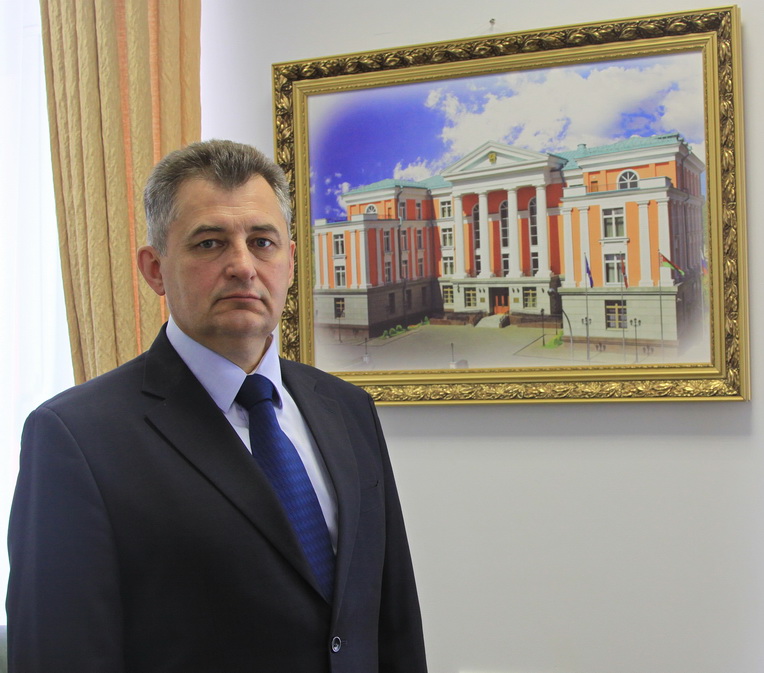
Oleg Chernous. Source: mkdc.by
“The Kremlin generally views soft power as a natural extension of special influence operations carried out by security agencies. Therefore, it is logical that people with military or intelligence backgrounds are appointed to leadership positions”, Auseyushkin noted.
Vladimir Struchkov, the current director, came to Belarus from the annexed Crimean Peninsula. He used to head the House of Moscow in Sevastopol and served as a deputy on the Sevastopol City Council representing the Russian Bloc party. According to Ukrainian media reports, Struchkov voted in favour of holding a referendum on Sevastopol’s accession to Russia in March 2014. He was awarded a commemorative medal in honour of Russia’s annexation of Crimea. Struchkov is subject to Ukrainian sanctions.
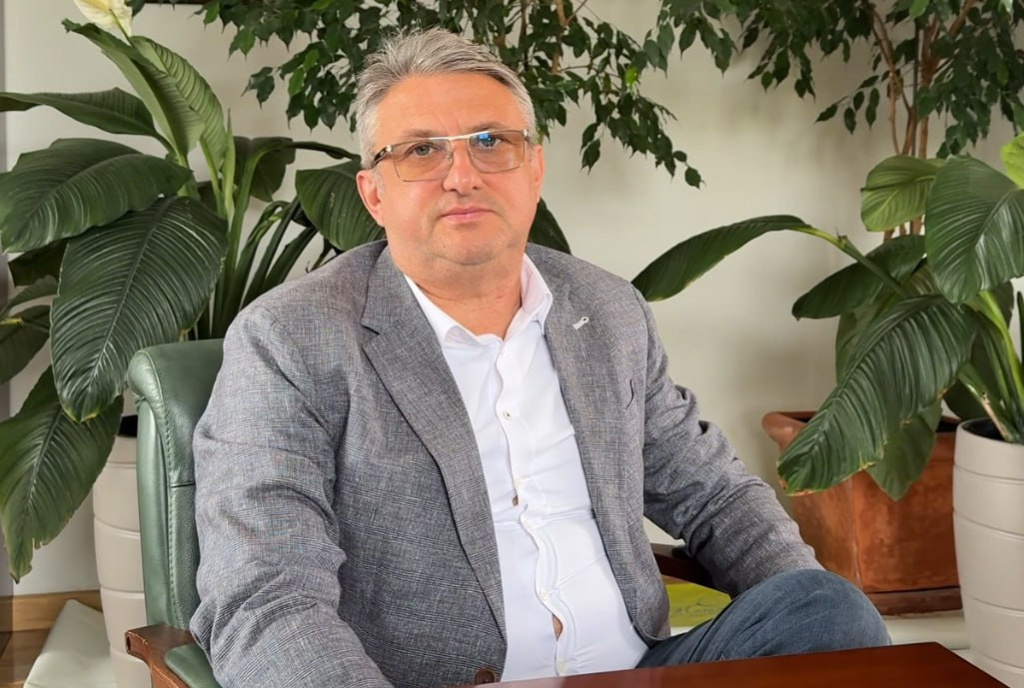
Vladimir Struchkov. Source: russkiymir.ru
“In Struchkov’s case, too, a clear pattern is evident. The annexation of Crimea was preceded by painstaking efforts to influence the target country and region by establishing personal and informal contacts and relationships based on trust. Russian intelligence services worked to influence elites, politicians, and security forces. For example, virtually the entire Crimean branch of the SBU defected to the occupiers’ side. The same occurred with the Ministry of Internal Affairs and the Armed Forces. organisations such as the House of Moscow also played a role, serving as gathering points for officials and ordinary citizens loyal to Russia”, said a senior analyst at iSANS.
MILLIONS FOR BELARUS
This year, the Moscow authorities planned to spend over 20 million Russian rubles on maintaining the House of Moscow in Minsk.
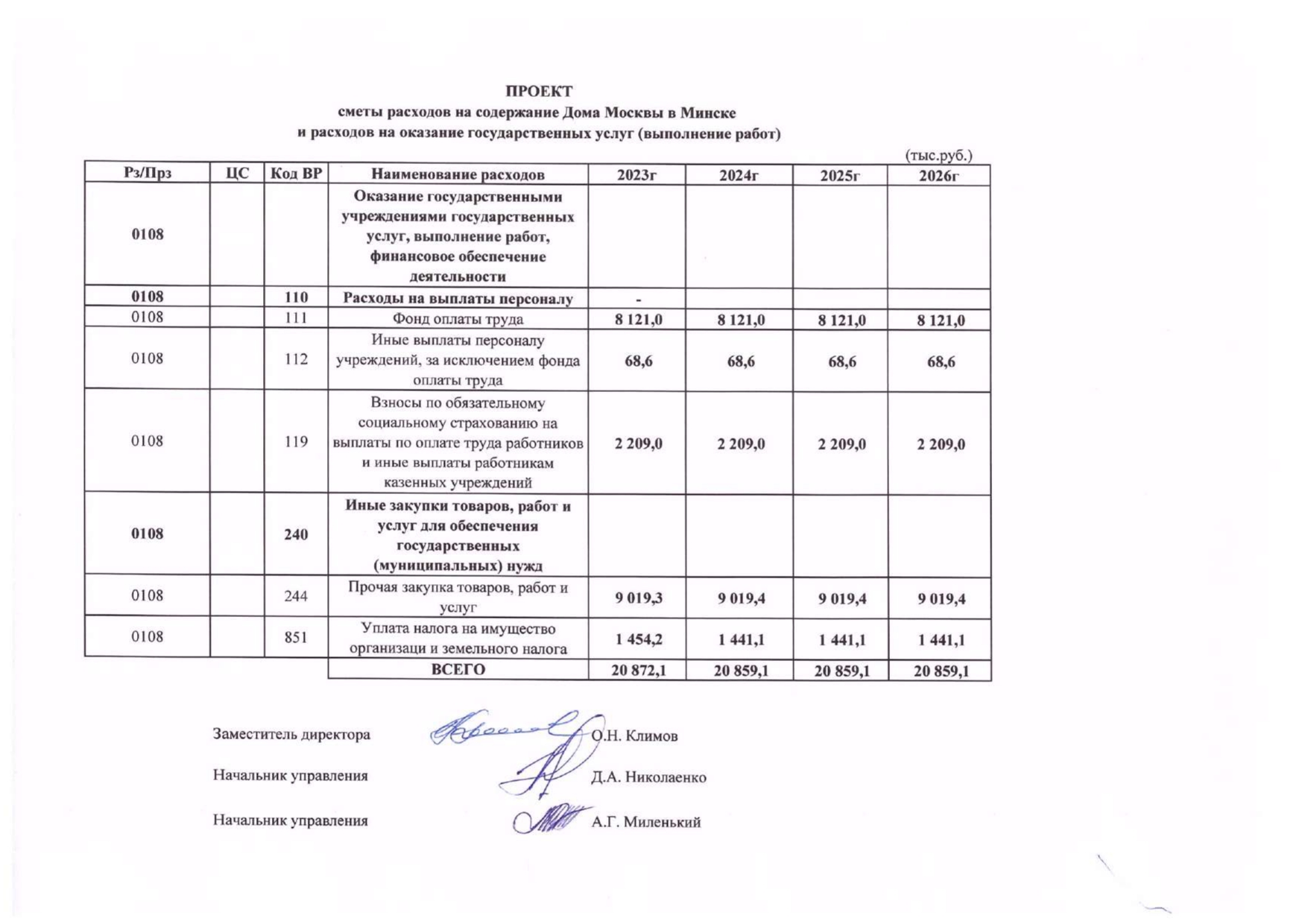
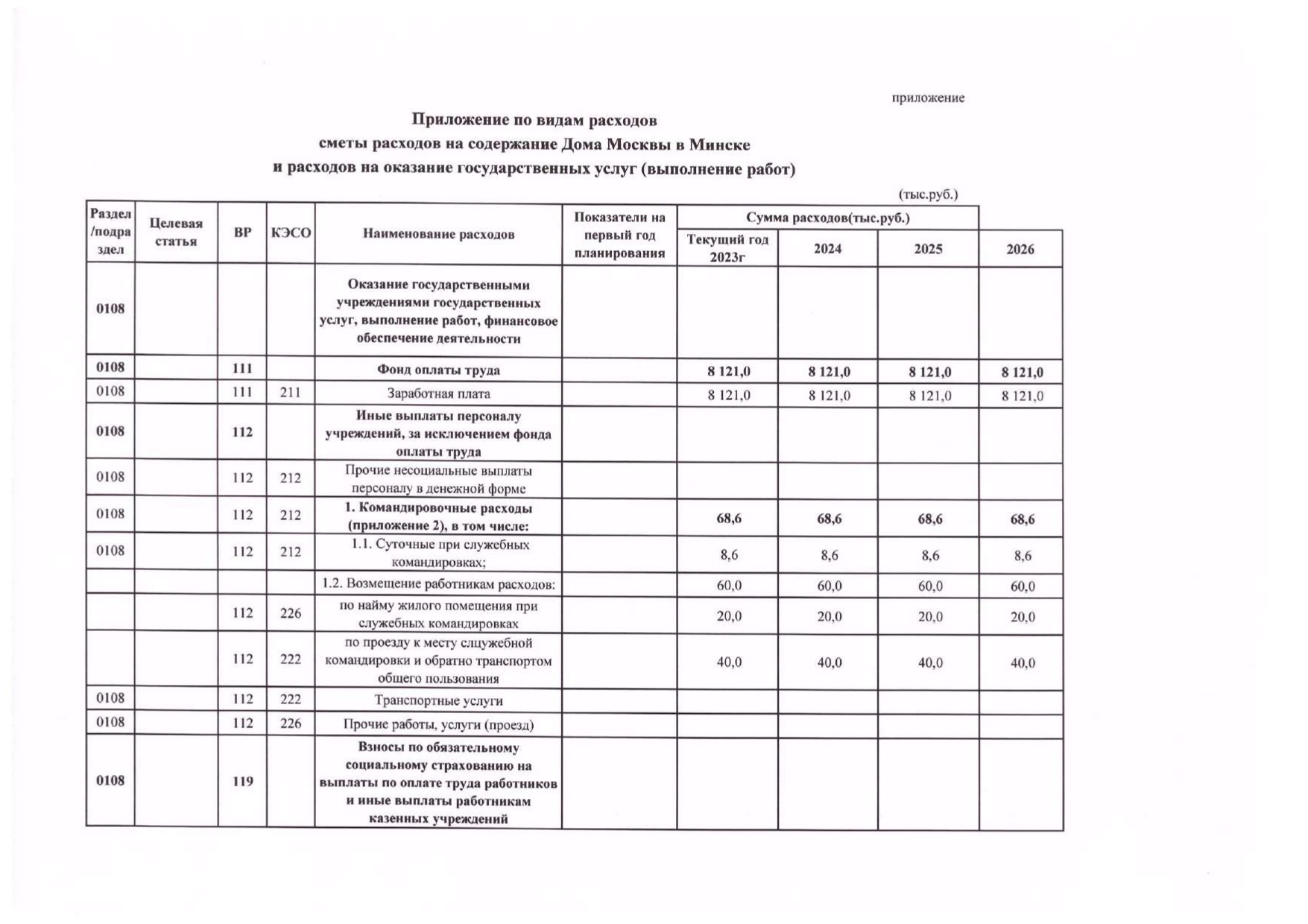
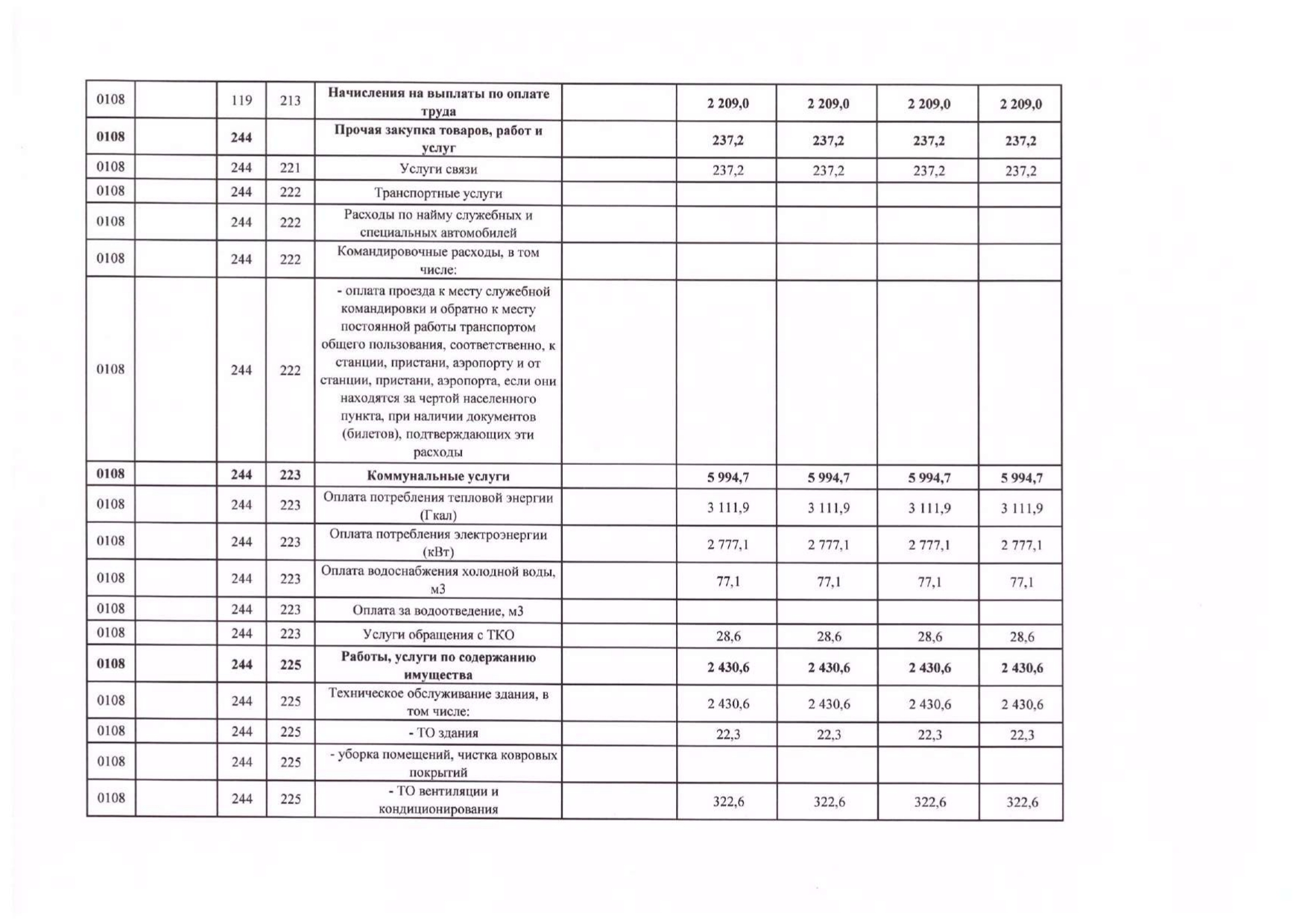
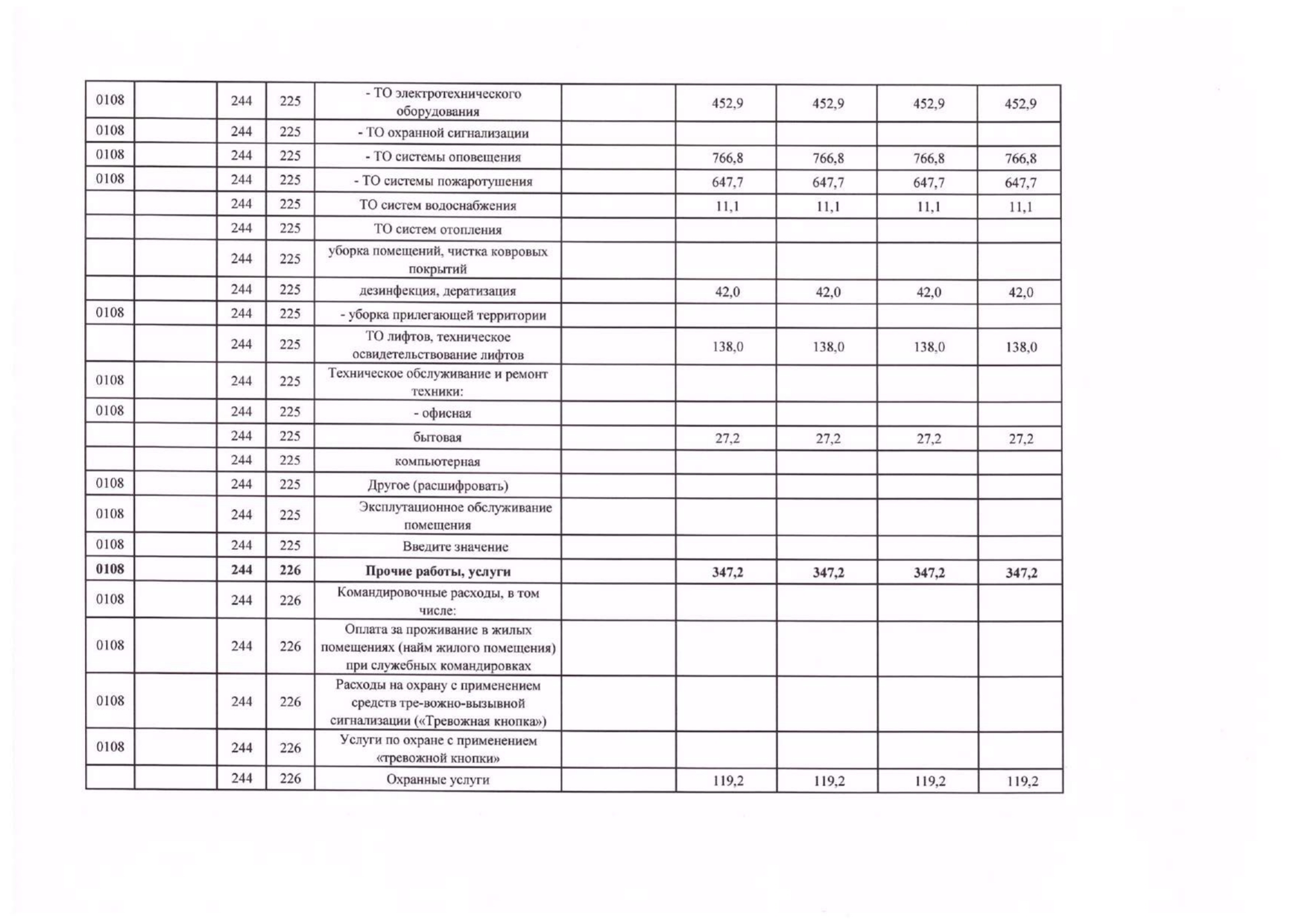
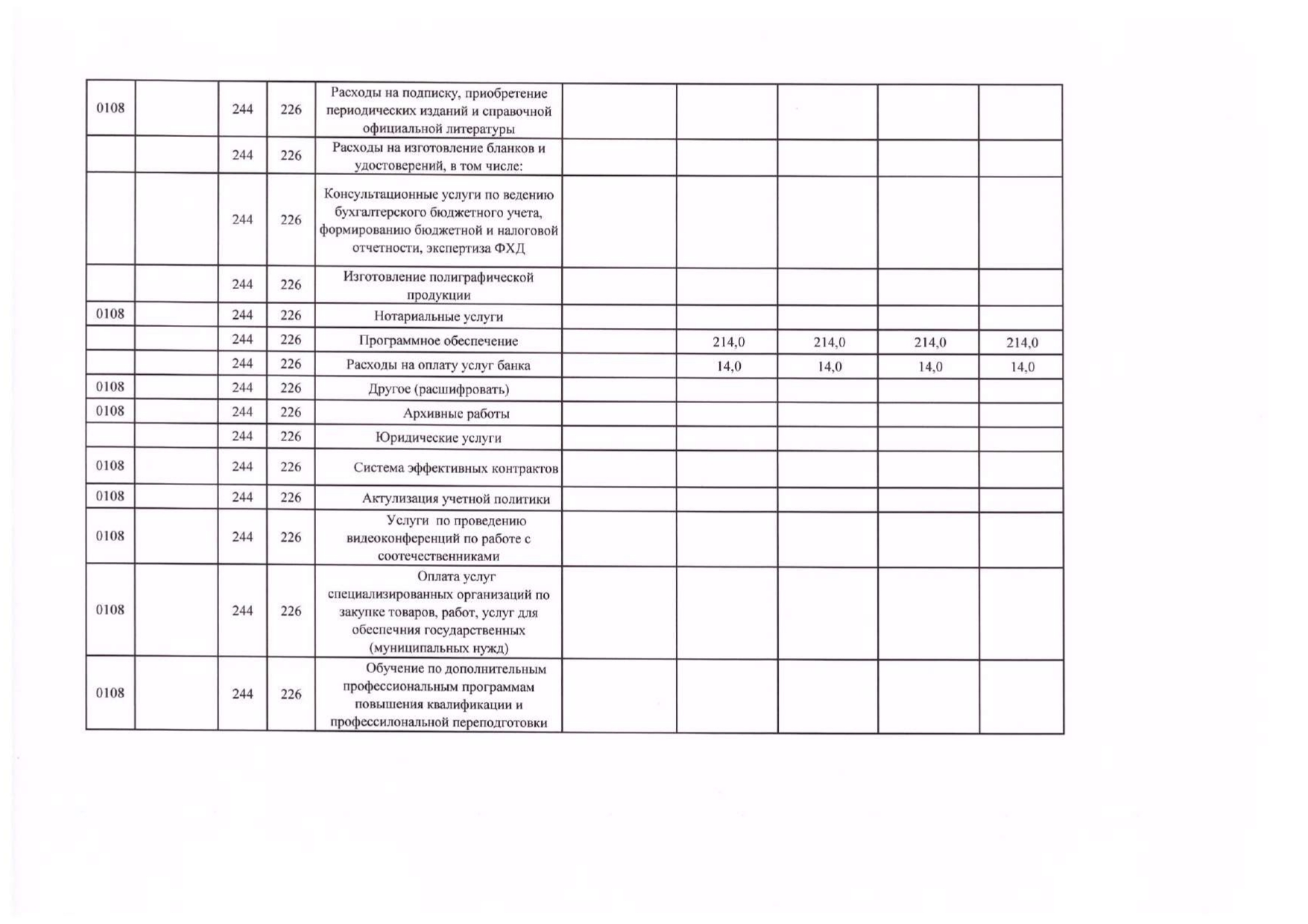
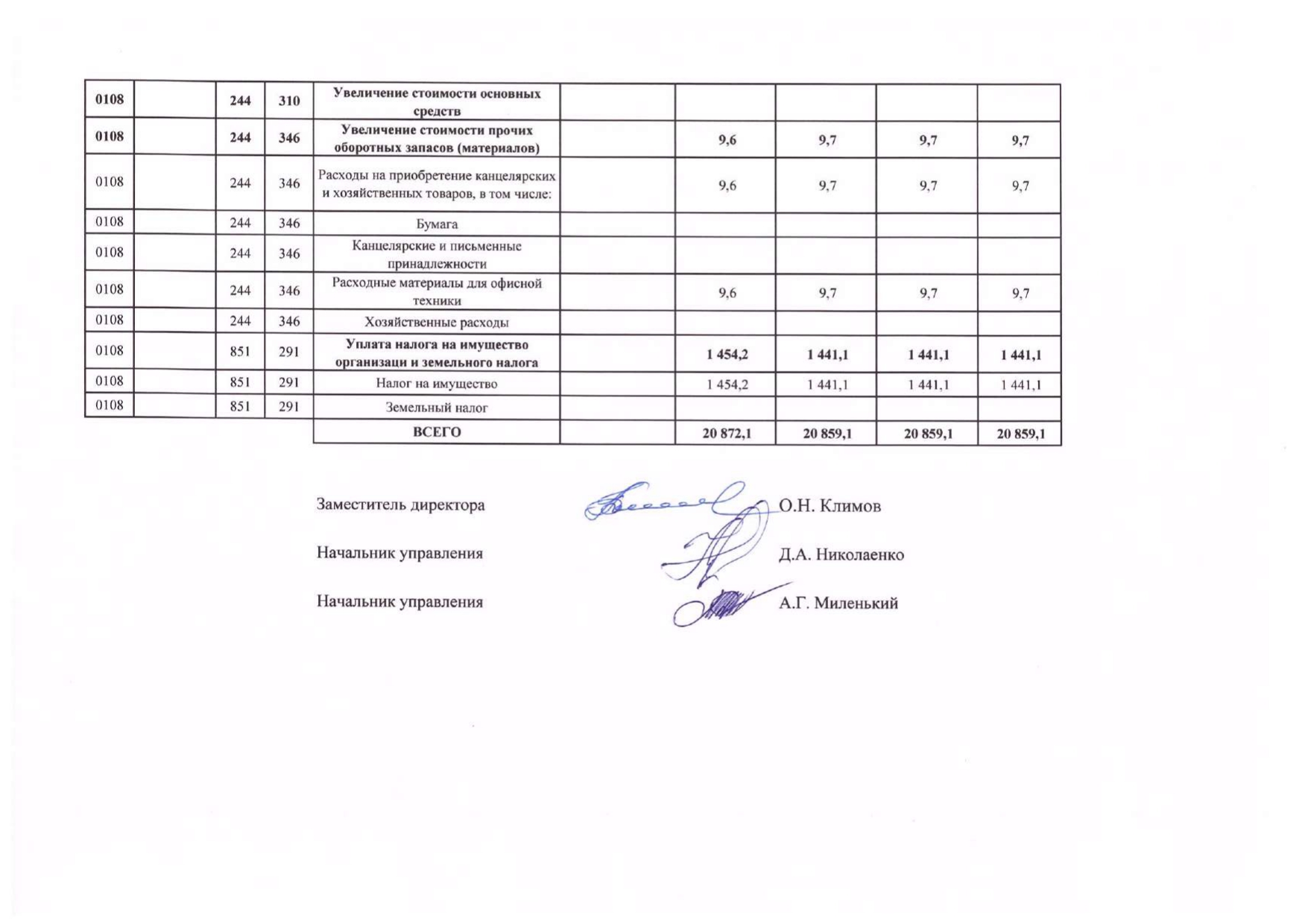
The expenses were comparable in previous years. The funds are used to pay property taxes, maintenance costs, and utilities. However, the largest portion goes toward staff salaries. This accounts for approximately 40% of the total planned expenses for this year. According to the latest data, approximately 30 people work at the House of Moscow in Minsk.
Currently, there is only one online interview with the director of the House of Moscow in Minsk regarding their activities. In the interview, Vladimir Struchkov boasts that their venue hosted more than 70 events in 2024, which over 12,000 people attended. The events included exhibitions, concerts, festivals, performances, creative gatherings, conferences, round-table discussions, and master classes. We found more details about the Moscow House of Compatriots’ secret mission in Belarus and its budget in the leak.
Year after year, the House of Moscow in Minsk has hosted celebrations of holidays such as New Year’s Eve, Defender of the Fatherland Day, Butter Week festival, International Women’s Day, Cosmonautics Day, and National Unity Day. The Slavic Lyre International Literary Festival, the international conference “Preservation, Support, and Promotion of Russian Culture and Language Abroad”, the Belarusian National Conference of Public Associations of Russian Compatriots, and the celebrations marking the victory in the Great Patriotic War have also become traditional events.
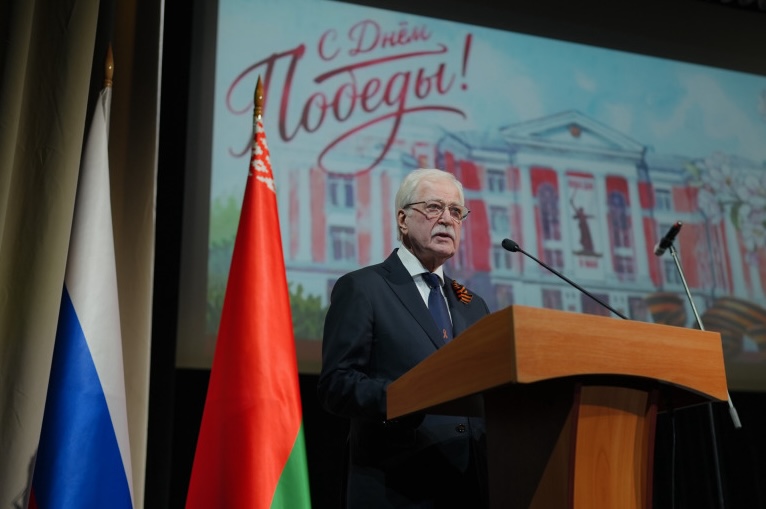
Russian Ambassador to Belarus Boris Gryzlov speaking at the House of Moscow in Minsk. Source: belarus.mid.ru
The Moscow government has allocated a separate budget for these activities. In 2021, the Moscow House of Compatriots allocated more than 32 million Russian rubles to the Belarusian branch. In 2022, spending exceeded 41 million Russian rubles. This accounted for one-fifth of the Moscow House of Compatriots’ total budget. This exceeds the amount allocated for activities in Yerevan and Sukhumi, both of which have active Houses of Moscow.
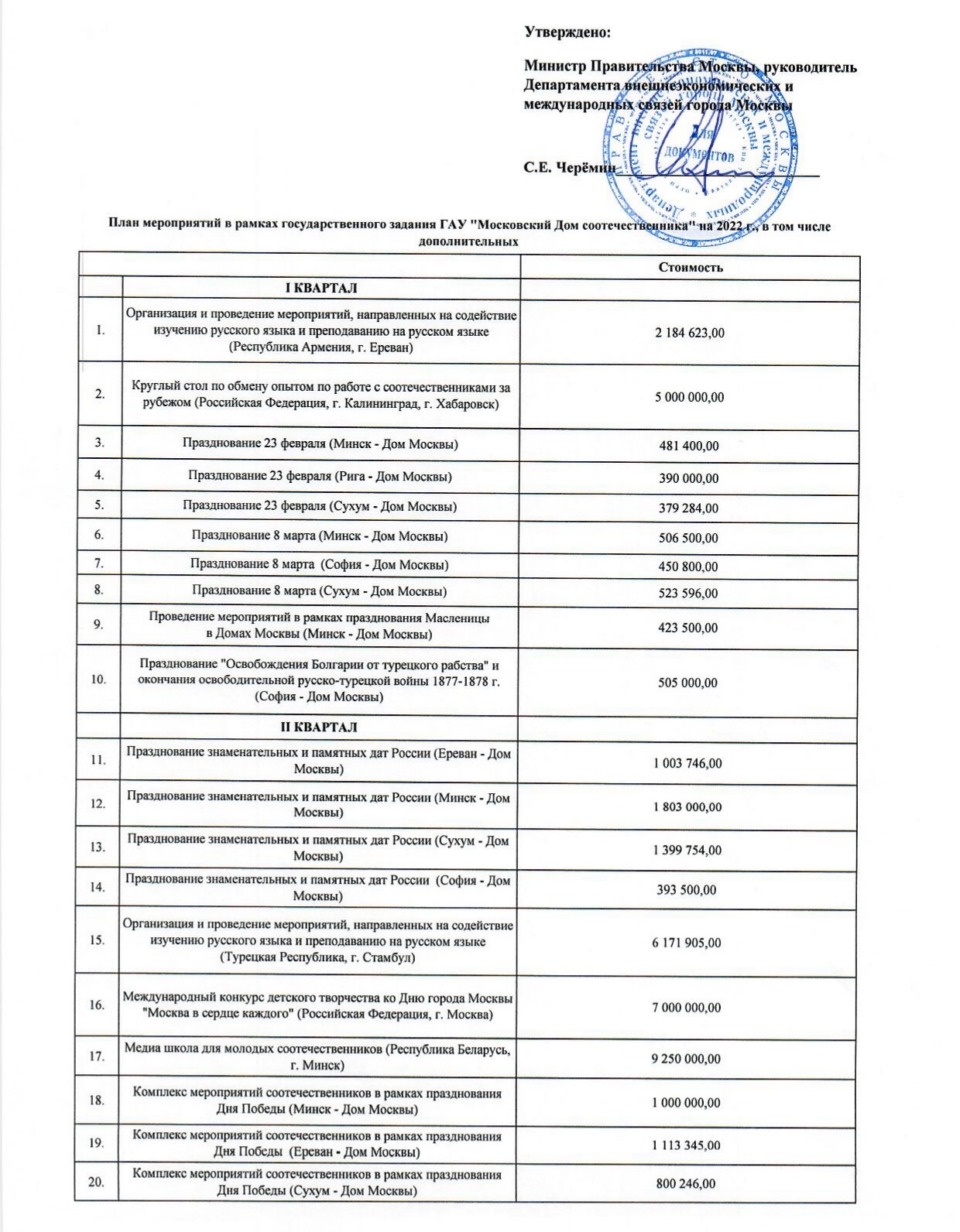
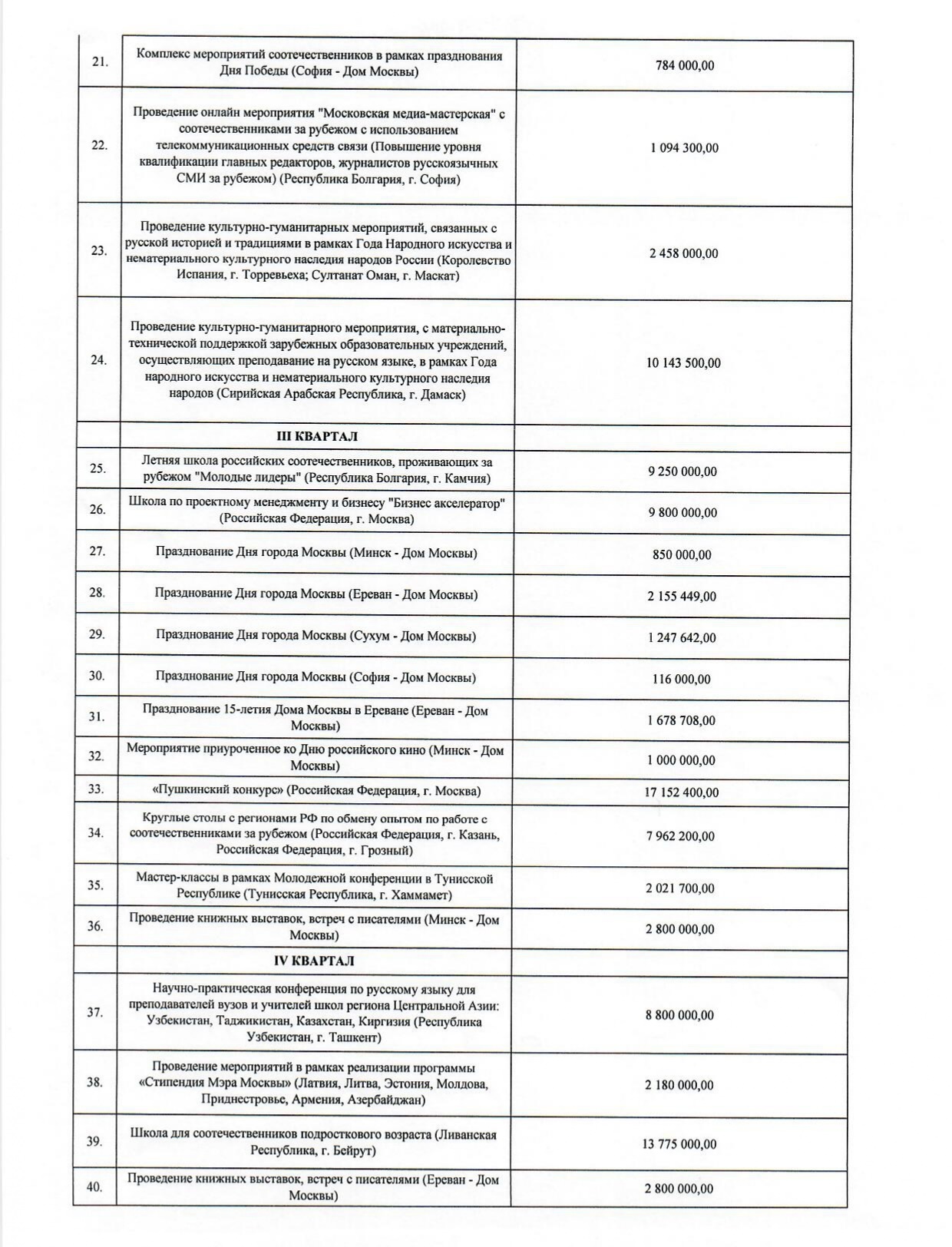
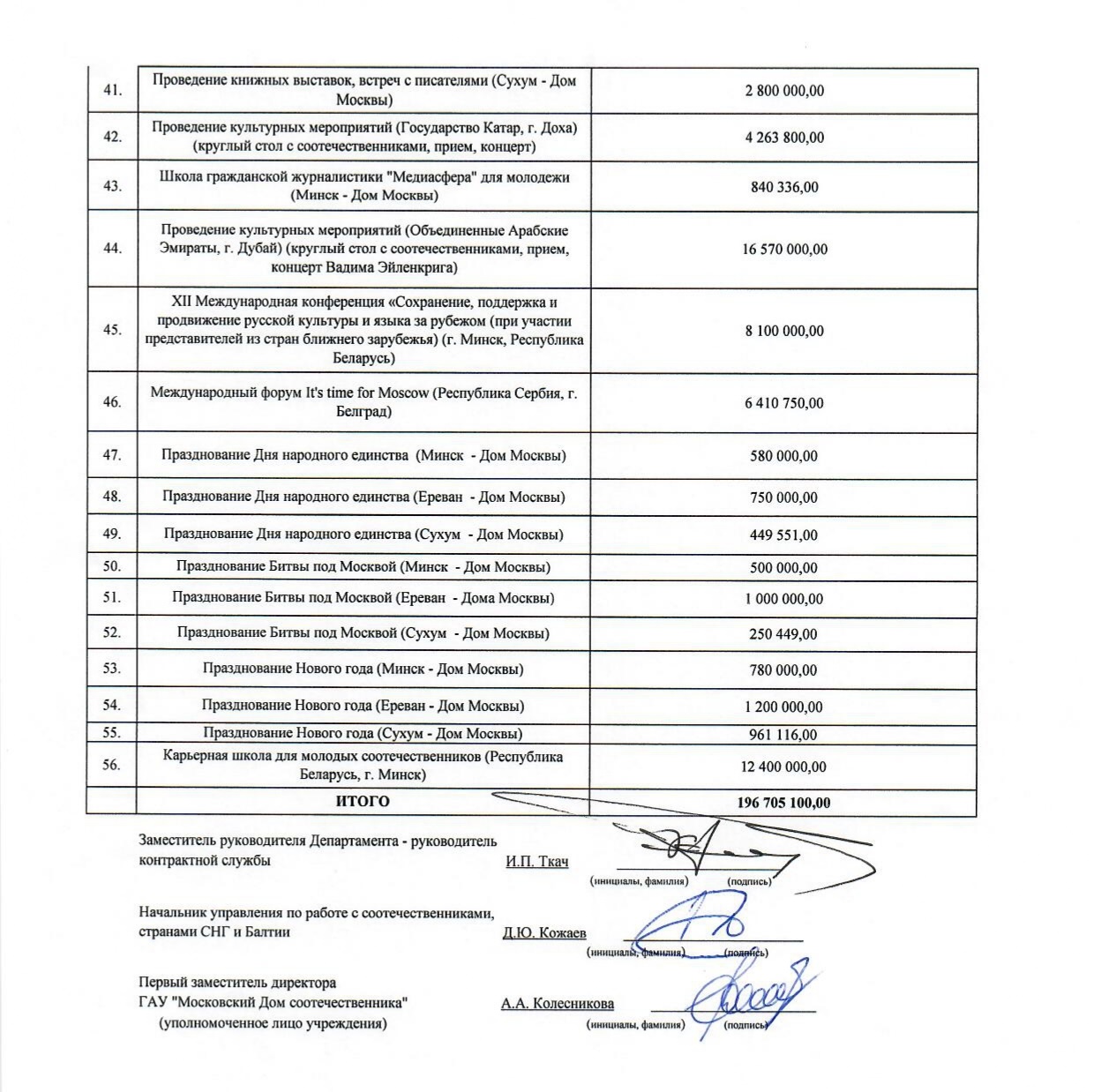
In 2023, the Moscow House of Compatriots’ planned expenditures for Belarus exceeded 34 million Russian rubles.
When contacted by Buro, the Moscow House of Compatriots declined to comment or disclose specific budgets for activities in Belarus. The organisation stated only that funding is provided “in accordance with established procedures and within the framework of approved activity plans” and that all expenditures undergo financial oversight and auditing. The funds are used for event organisation, transportation and technical support, equipment and facility rental, publishing, informational support, and other purposes. The House of Moscow in Minsk did not respond to our inquiry.
RUSSIAN WORLD IN BELARUS
What may look like ordinary events in Moscow government reports are framed around specific objectives: promoting the Russian language and culture, preserving a shared identity and historical memory, and combating Russophobia and anti-Russian sentiment. An important mission is to consolidate and integrate the Russian-speaking population abroad into the so-called “Russian world”.
These approaches align perfectly with Russia’s concept of humanitarian policy abroad, which Vladimir Putin approved after the invasion of Ukraine. The main objectives include strengthening the role of the Russian language, promoting Russian culture, and defending the ideals of the “Russian world”.
“In the case of Russia, it’s important to remember that its activities extend well beyond supporting Russian culture and the Russian language. This is unnecessary in Belarus, where most people are already fluent in Russian. The Kremlin views soft power as a tool for transforming and keeping Belarus within its sphere of influence – and, if necessary, for direct annexation”, Auseyushkin emphasized.
The Moscow House of Compatriots places a special emphasis on engaging with young people. To this end, it has organised forums, round-table discussions, and schools for journalism, careers, and leadership. Moscow authorities claim that the younger generation “will soon be the one shaping the image, authority, and standing of Russian diaspora communities abroad”.
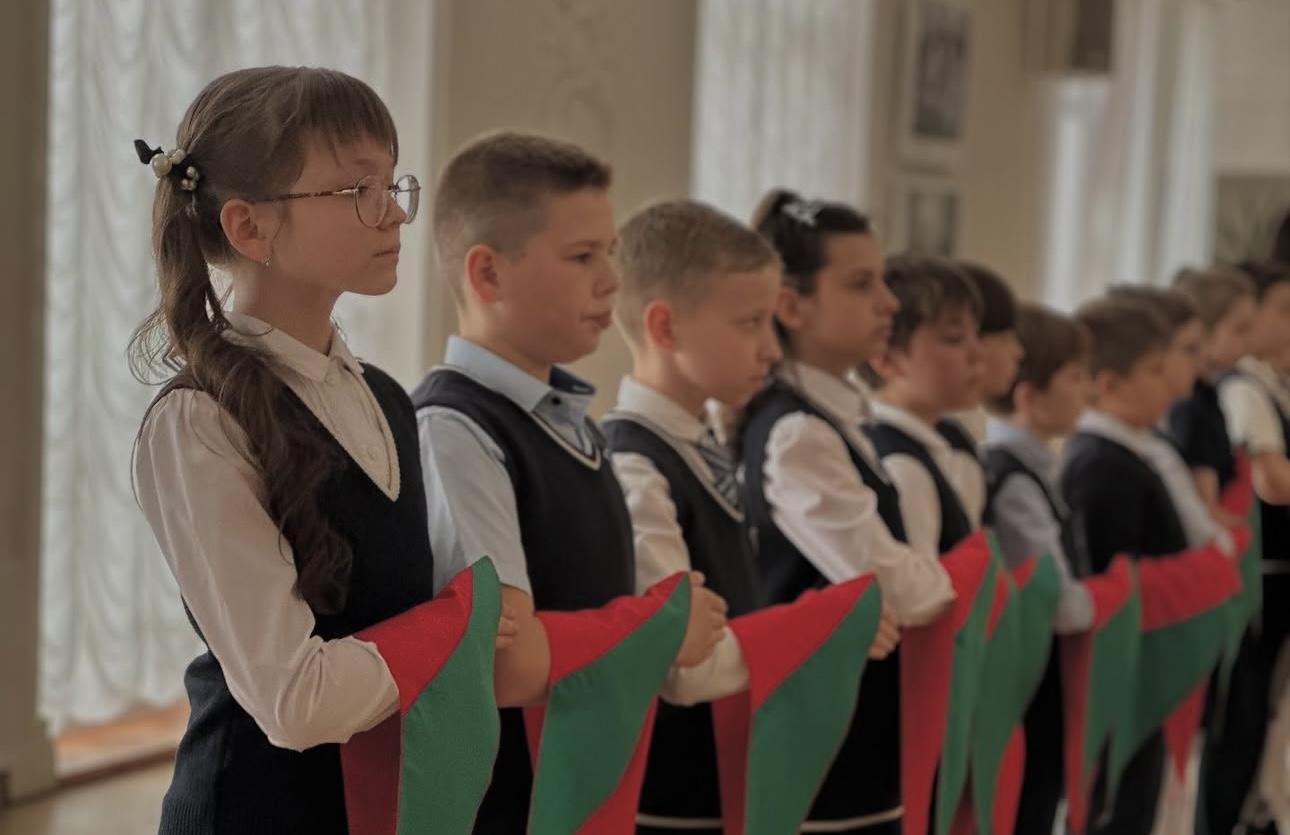
Pioneer induction ceremony at the House of Moscow in Minsk. Source: mkdc.by
Russian officials have set themselves the goal of ensuring that these young people, while remaining full citizens of Belarus, strengthen their ties to Russia and its culture. The emphasis is on fostering patriotism.
“The Moscow government pays great attention to patriotic education, first and foremost among the younger generation, by planning and conducting events aimed at combating the falsification of history and the universally recognized outcomes of World War II, as well as opposing attempts to glorify Nazism and promote neo-Nazism”, reads a briefing on the MDS activities.
Ideology is a pervasive element in almost all of the House of Moscow’s activities in Minsk. This has become particularly noticeable since Russia’s full-scale invasion of Ukraine.
“Although the Lukashenko regime is loyal to and dependent on the Kremlin, it retains a certain degree of autonomy. While the extent of this autonomy is debatable, its existence is undeniable. Not all decisions are fully aligned with the Kremlin’s interests. Disagreements arise when the survival of the Belarusian regime is threatened. This is evident in the coverage of Russia’s war against Ukraine, the shift in propaganda tone, and the adaptation of Russian narratives to suit the needs of the Minsk regime. Additionally, there are noticeable attempts to distance themselves from the ‘Russian world’. Therefore, the Kremlin needs to engage with the Belarusian audience directly, without any ‘signal distortion’. An important theme, for example, was the legitimization of the occupied Ukrainian territories – the Donbas and Crimea – something Minsk has shied away from in recent years. Another significant theme was the glorification of participants in the war against Ukraine”, said Auseyushkin.
In July 2023, the House of Moscow in Minsk hosted the first-ever Crimea Days in Belarus. According to media reports, the event highlighted the annexed peninsula’s potential in tourism, the economy, and investment, even though Belarusian authorities have never officially recognized it as part of Russia. Subsequently, such Crimea Days became a regular event in Belarus.
In December 2023, the “Ordinary Nazism” exhibition opened at the House of Moscow in Minsk. The exhibition promoted Russian propaganda narratives about the “crimes of Ukrainian neo-Nazis” in Donbas. During the opening of the exhibition, Sergey Naryshkin, the director of Russia’s Foreign Intelligence Service, stated that “the hotbed of Ukrainian neo-Nazism, which was largely created by the deliberate actions of Washington and other Western regimes, poses a real threat to Russia and Belarus”.
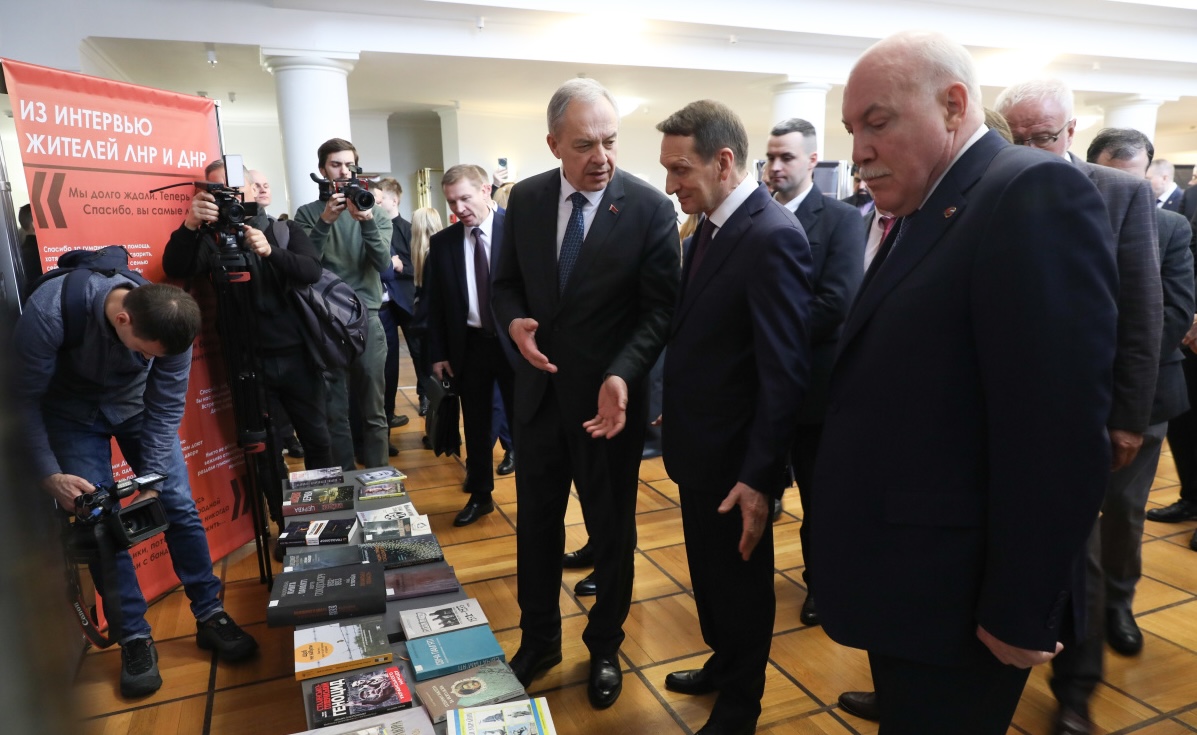
Sergey Naryshkin (center), head of Russia’s Foreign Intelligence Service, at the exhibition at the House of Moscow in Minsk. Source: sb.by
A great deal of attention is devoted to the Soviet legacy and World War II. Russia considers itself the primary heir to that victory, drawing parallels between it and the current war in Ukraine.
“The special military operation [this is how Russia refers to the full-scale invasion of Ukraine] being conducted by Russia is a direct continuation of the struggle for truth and historical justice that our ancestors waged on the fronts of the Great Patriotic War”, said Boris Gryzlov, Russia’s ambassador to Belarus, at the Moscow House in Minsk in May of this year.
WITH AN UNKNOWN OUTCOME
The Moscow House of Compatriots evaluates the effectiveness of the House of Moscow in Minsk using several indicators, including the number of events, geographic diversity of participants, level of expert community representation, demand for MDS programs among the diaspora, and sustainability of forged humanitarian and professional ties.
“Experience shows that participants and partners are highly interested in continuing their collaboration, which demonstrates the relevance of the implemented projects”, noted MDS officials. However, they refused to provide specific examples of effective work.
Judging by the number of followers and views on social media, Russian soft power doesn’t have much support in Belarus, Pavel Tserashkovich, an adviser to Belarusian opposition leader Sviatlana Tsikhanouskaya and a historian who studies the influence of the “Russian world” ideology in Belarus, told Buro.
“But perhaps they’re not all that interested in that. They’re more focused on bringing together people who have already responded. And they’re not active only in the media sphere – they’re also looking for partners [in Belarus]”, Tserashkovich noted.
Yan Auseyushkin of the international initiative iSANS shares this view. He says that it is difficult to assess Russia’s direct effectiveness in Belarus through soft power. Still, its activities there have expanded significantly in recent years.
“Some events are formal and official, so they don’t attract a large audience. Most visitors are people who already belong to small communities and organisations and have been indoctrinated. However, if we take a broader view of the entire soft power infrastructure, we can see that their efforts have become more extensive and systematic over the past four years”, the expert said.
According to him, efforts are underway with various target groups, including government officials, businesspeople, members of the media, security forces, young people, and community activists. The specific areas of focus include economic cooperation, public administration, education, ideology, information policy, and historical memory.
Auseyushkin believes that, in terms of impact, the Kremlin’s soft power cannot be compared to Belarus’s strategic dependence on Russia in economic and security spheres. However, it plays a role as an additional tool for engaging target groups.
“They are building a broad base [of support], but it’s unclear how solid it is”, Tserashkovich expanded.
WORKING FOR MOSCOW
While working on this story, we came across some intriguing documents about a key partner of the Moscow House of Compatriots in Belarus. The MDS has partnered with the Minsk-based Center for Modern Social Technologies (CMST) to outsource some of its operations. In total, we identified 13 contracts in the leaked files showing that this Belarusian organisation had agreed to organise various events commissioned by the MDS between 2021 and 2023.
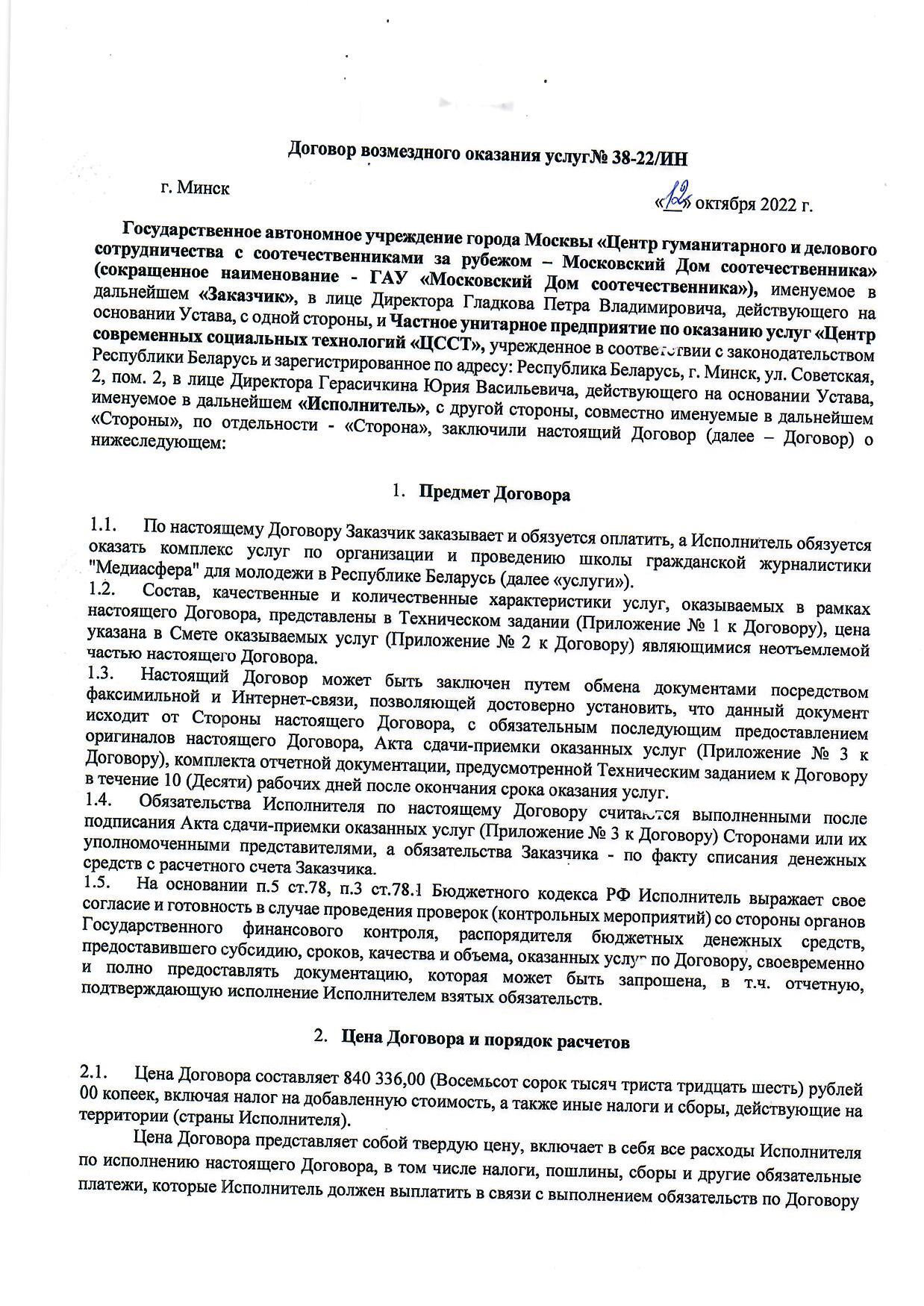
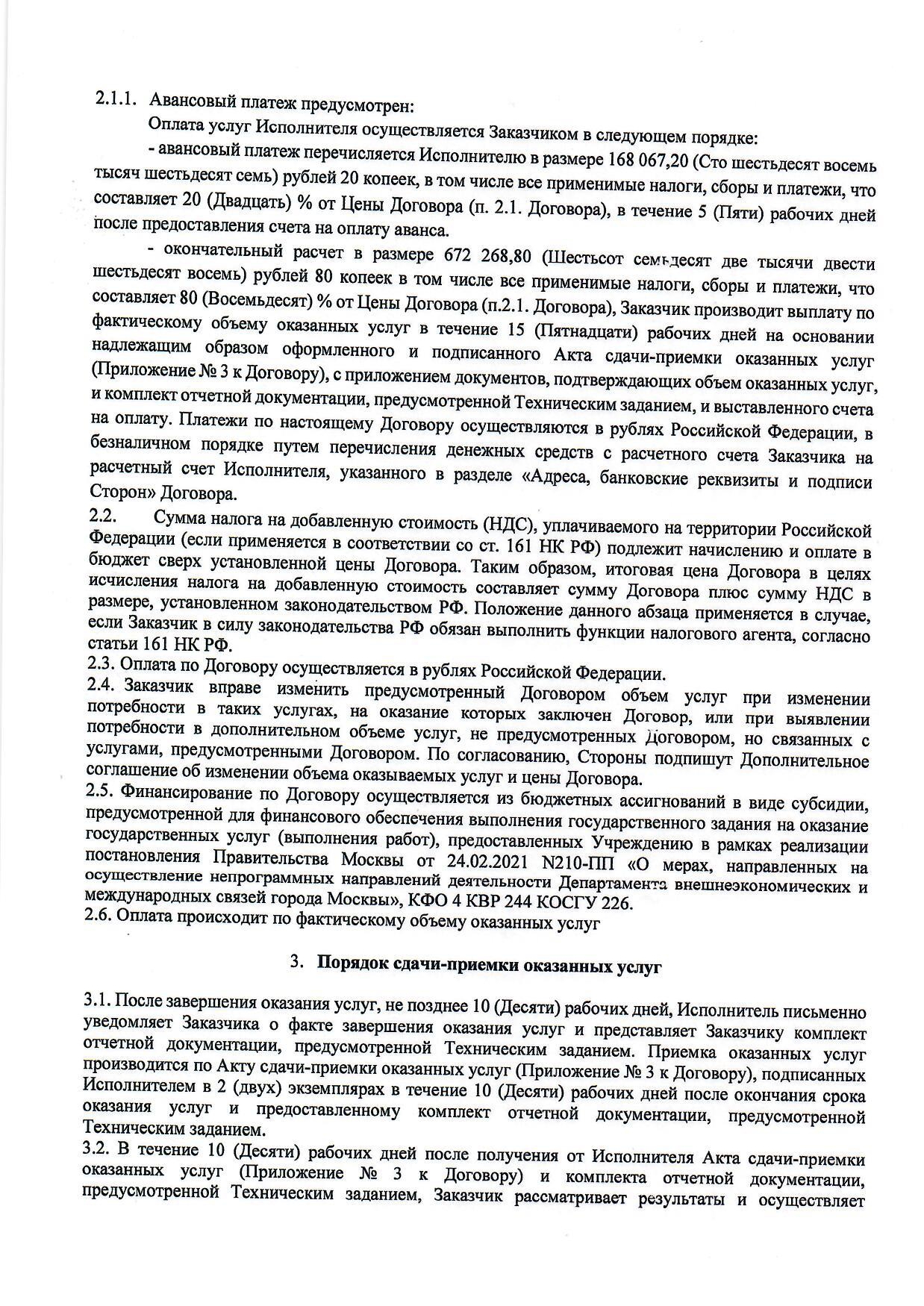
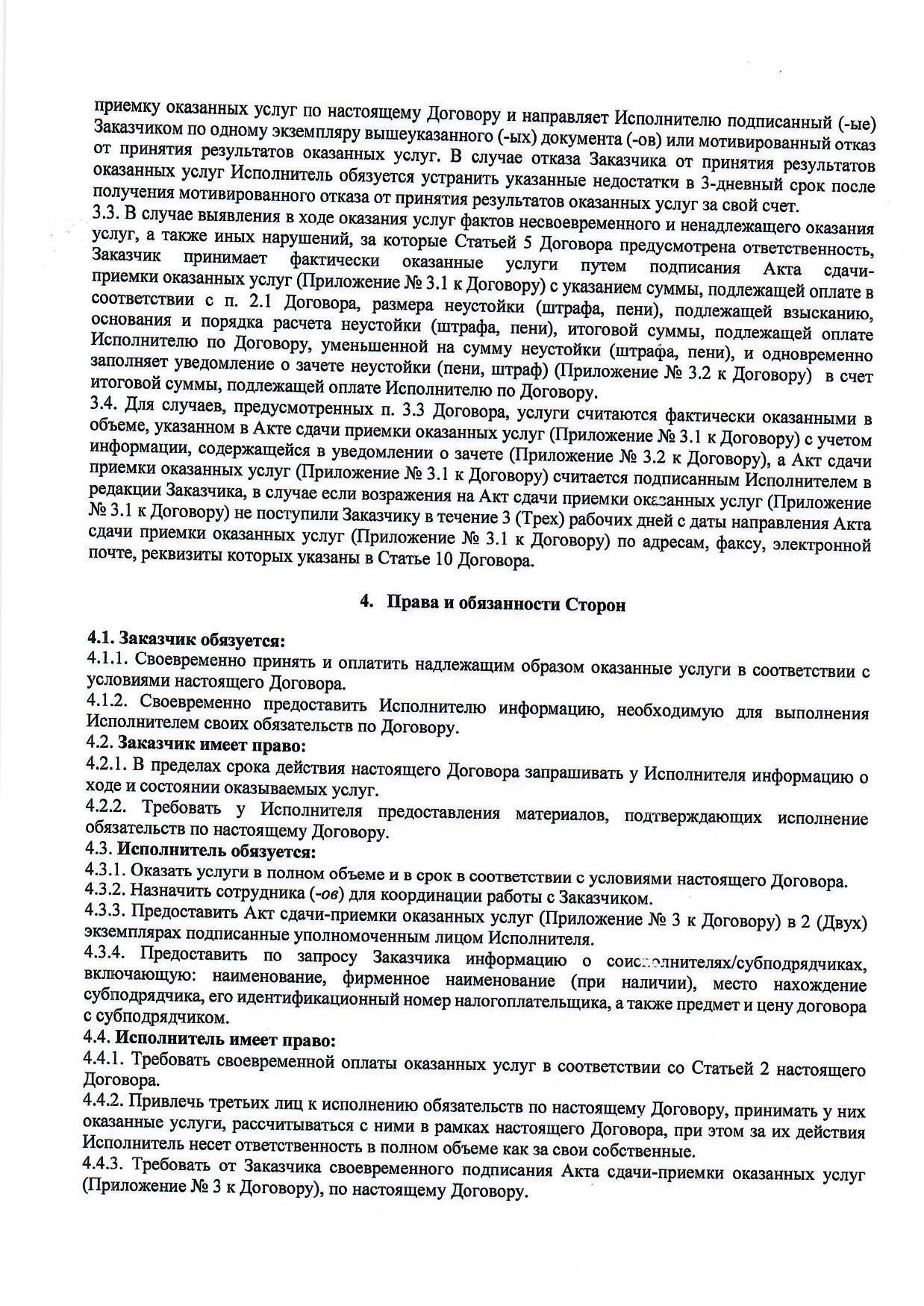
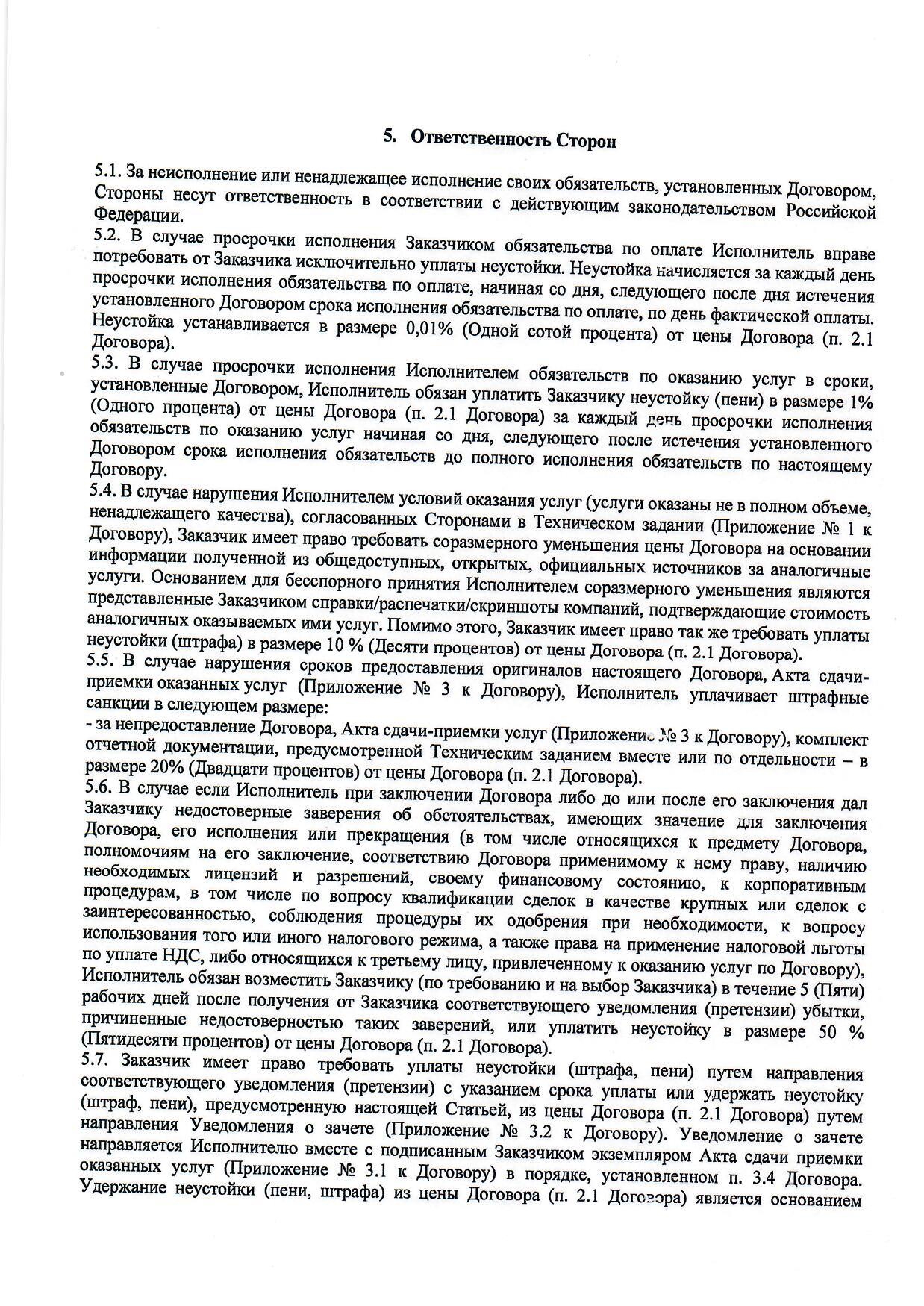
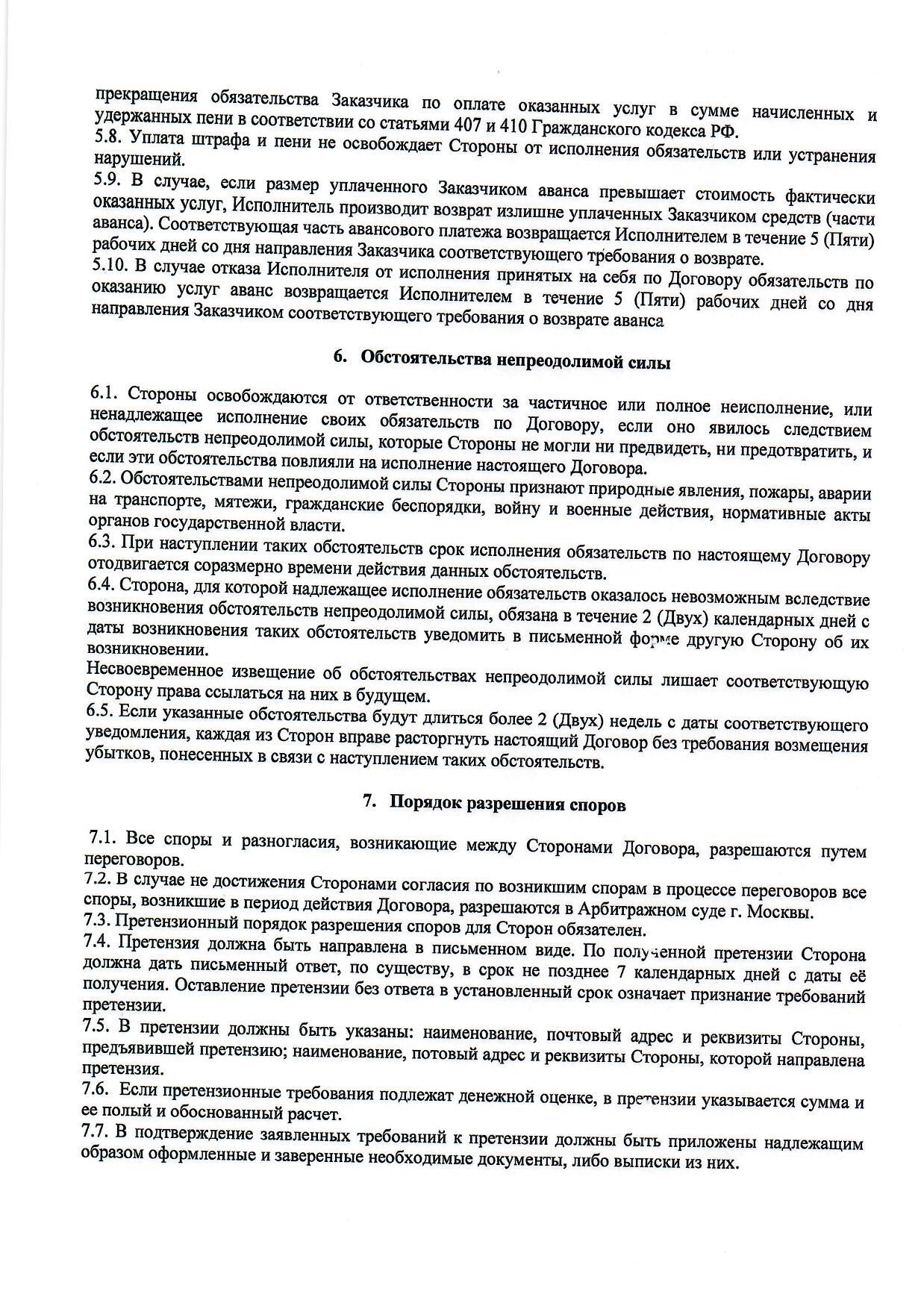
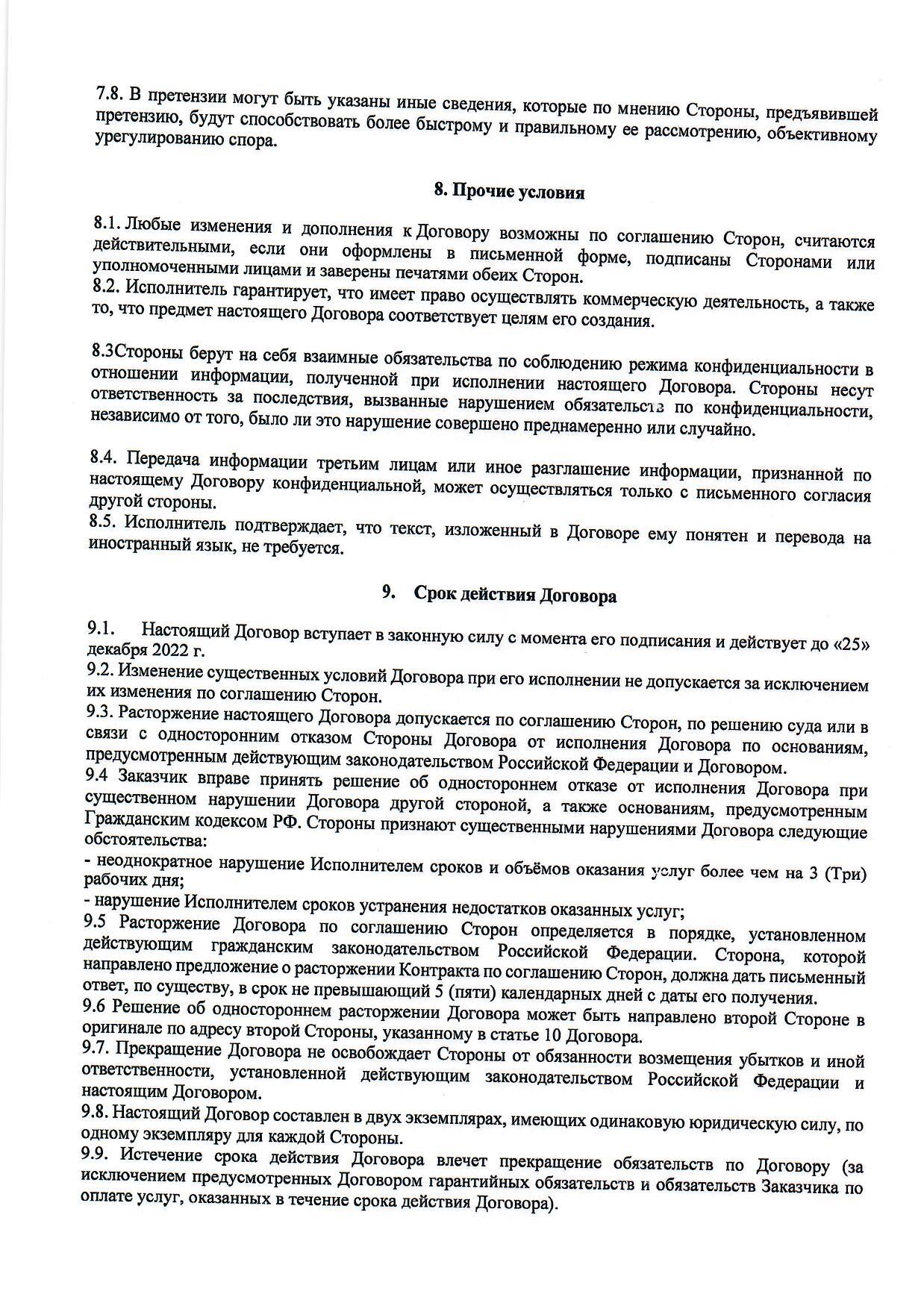
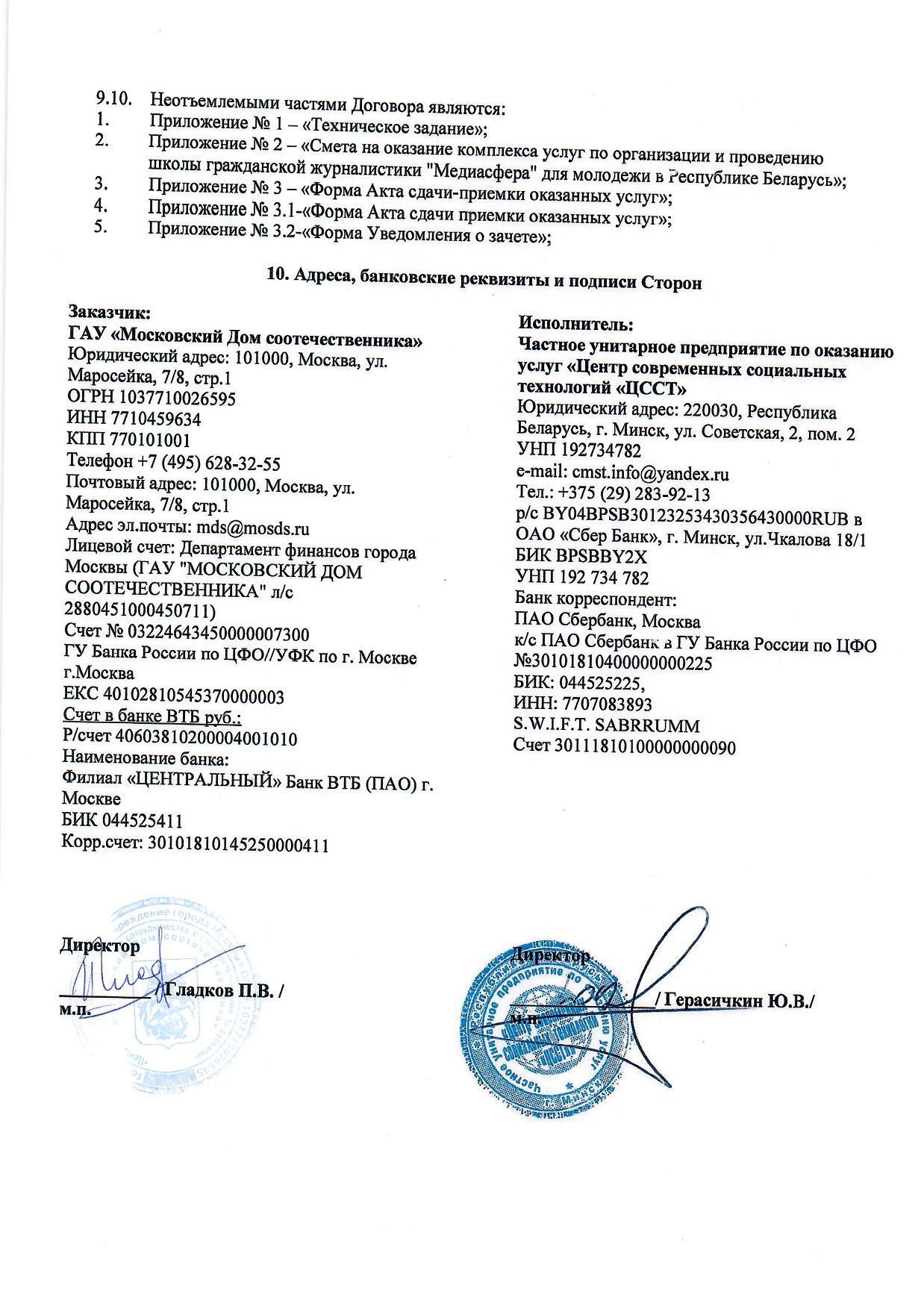
These include a Russian film festival, a New Year’s performance for children, the Slavic Lyre festival, a book exhibition, the Mediasphere youth school of citizen journalism, and celebrations for Defender of the Fatherland Day, International Women’s Day, Butter Week fest, Russia Day, Moscow City Day, and National Unity Day. The total value of the contracts was nearly 19 million Russian rubles. Yury Herasichkin, the former director of the CMST, confirmed the collaboration with the MDS. However, he declined to discuss the details.
The Moscow House of Compatriots explained its choice of contractors, stating that they have “the necessary experience, professional expertise, organisational resources, and the ability to ensure the high-quality activity implementation within established deadlines”.
“Our cooperation with contractors is strictly project- and work-based, driven by the need to address specific organisational tasks”, noted representatives of the Moscow House of Compatriots.
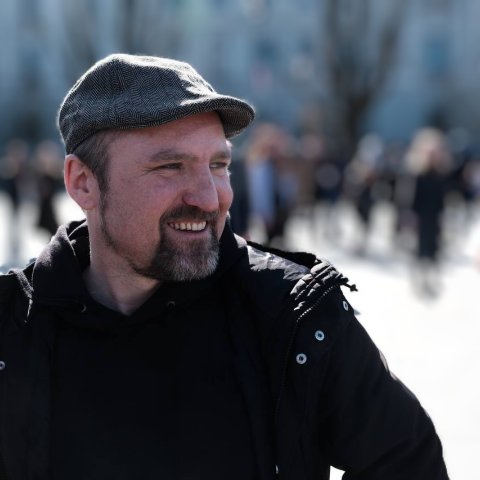
The Center for Modern Social Technologies specializes in hosting conferences and exhibitions. It was founded nearly ten years ago by Siarhei Lushch. He is the leader of the Dvizhenie Soyuz movement mentioned at the beginning.
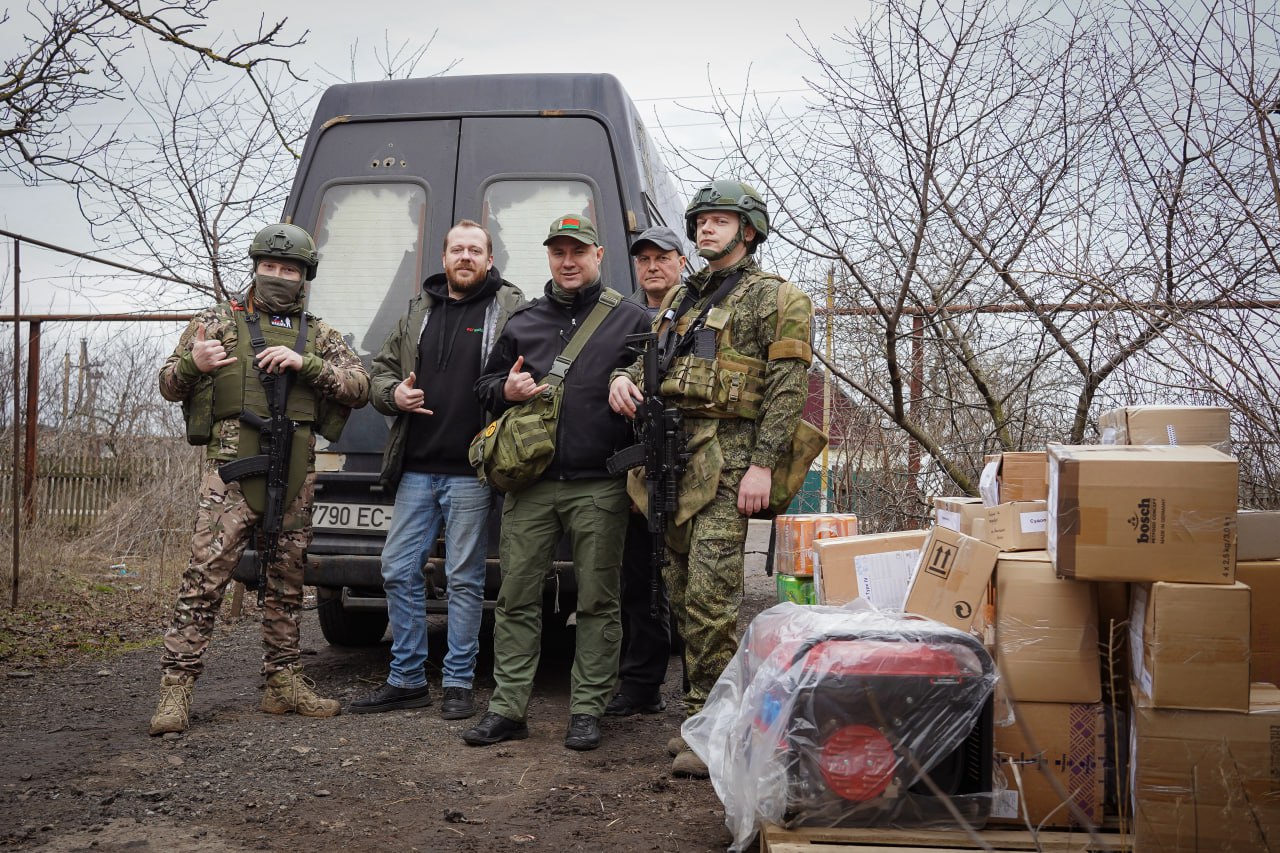
Siarhei Lushch (centre) in the Zaporizhzhia region. Source: souyz.by
In one of the MDS documents, he is described as a “recurring subject of scandalous reports”. According to media reports, Lushch was associated with neo-pagan, far-right groups in his youth. The organisation he founded, Rus Molodaya, collaborated with neo-Nazis from Russkii Obraz.
As he grew older, Lushch moved into national politics. He attempted to establish a pro-Russian party called Soyuz in Belarus, riding the wave of the 2020 protests. However, the Belarusian Ministry of Justice denied its registration. As a result, Rus Molodaya was renamed Dvizhenie Soyuz. Lushch now primarily speaks publicly through this organisation. He has repeatedly delivered humanitarian aid to Russian troops on the front lines. Additionally, he advocates for the “reunification of the brotherly peoples of Belarus and Russia” and received a medal from Vladimir Putin for participating in a nationwide campaign that supports those involved in the SMO.
As we previously reported, Lushch received grants from another Russian organisation, the Foundation for the Support and Protection of the Rights of Compatriots Living Abroad (Pravfond). Western security services consider Pravfond to be a pseudo-human rights organisation that is used for influence operations abroad, such as propaganda, disinformation, and recruitment. From 2021 to 2024, the foundation allocated over 20 million Russian rubles to launch and operate the Legal Consultation Center in Minsk, overseen by Lushch.
Our investigation revealed that another organisation run by the pro-Russian activist also received funds from the Moscow House of Compatriots. Siarhei Lushch did not answer our calls. We sent him a request for comment but received no response.
The website of Dvizhenie Soyuz, led by Lushch, highlights its long-standing and productive cooperation with the MDS’s representative office in Belarus, the House of Moscow in Minsk. The MDS coordinates its international efforts with Pravfond, the Russian Ministry of Foreign Affairs, and other Russian soft power institutions.
“All of these so-called soft power structures are preparations for the occupation [of Belarus]. It would be absurd to claim that Russian culture or the Russian language needs protection in Belarus. (...) It’s clear that this isn’t about language or culture, but about power. In essence, they are recruiting future collaborators who will assist the occupying authorities in Belarus”, believes Pavel Tserashkovich.
According to international experts, it was the Russian government’s consistent and long-term efforts to strengthen its soft power in Ukraine that paved the way for the subsequent annexation of Crimea and part of the Donbas region.